Registration Review
Capture model numbers, tool families, purchase timing, and owner details so warranty coverage can be checked without hunting through emails or job folders.
Service capability
When a wrench, compressor, driver, or storage system becomes part of a crew routine, service needs to be clear and practical. Ridgid support is organized around registration, model identification, warranty review, replacement part guidance, and dealer coordination so teams can keep a usable plan for every tool on the truck. The page below follows that service path rather than a generic repair brochure.
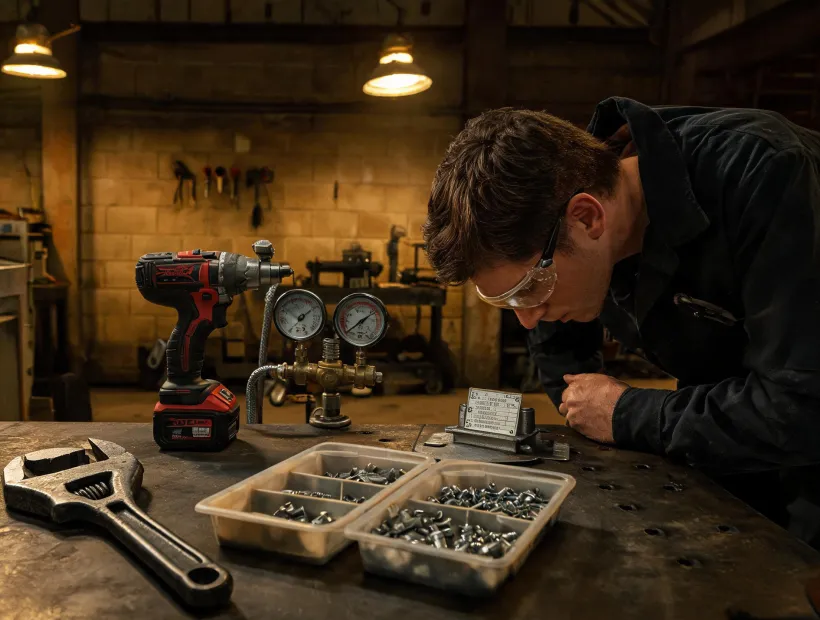
Repair, calibration, field service
Every service conversation starts with a practical question: what tool is in hand, where is it used, and what does the crew need next? Ridgid keeps the answer concrete by connecting serial details, usage context, purchase records, and service options. That workflow helps a maintenance planner decide whether to schedule a repair, replace a wearable part, route the tool to a dealer, or prepare a spare for the next project phase.
Capture model numbers, tool families, purchase timing, and owner details so warranty coverage can be checked without hunting through emails or job folders.
Separate quick consumable issues from repair-center work, then point the crew toward service steps that fit the tool type and urgency.
Match jaws, batteries, hoses, blades, bags, and storage accessories to the tool family before a purchase order is raised.
Prepare the information a dealer or service counter needs, from serial details to the intended trade application.
Pro endorsement
Our mechanical crew tracks every press tool and pipe wrench by project. Having model records in order lets the shop make faster calls about service and spare coverage.
Mechanical contractorFor facility maintenance, the important thing is a repeatable path. Tool registration, part matching, and dealer handoff all need to be simple enough for a busy shift lead.
Campus maintenance leadWhen a compressor or nailer is down, vague support language does not help. We need the model, the symptom, and the next contact point in one place.
Remodeling supervisorStart a support request
Include model numbers, tool category, jobsite use, and the issue you are trying to solve. The more precise the first note is, the easier it is to prepare warranty, service, or parts guidance.