
Commercial Plumbing
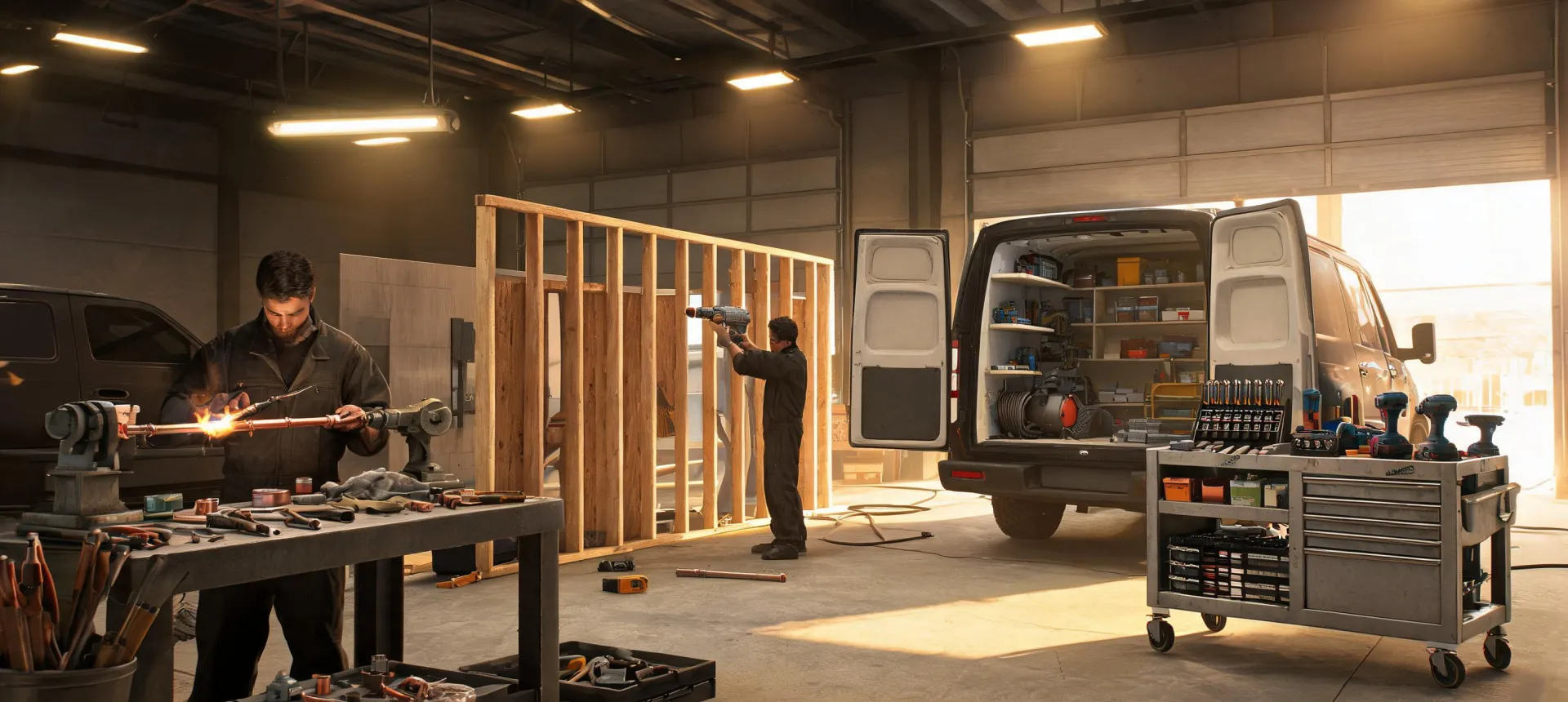
Pipe wrenches, press tools, cutters, and registration records help crews plan installs and service calls with fewer loose ends.
Industry applications
Hardware buyers rarely choose tools in isolation. They choose around the pipe run, the service route, the tool crib, the compressor line, and the truck that has to leave on time. These application groups show where Ridgid categories fit into daily planning.
Image card applications
Each application below looks at the same Ridgid categories from a different operational angle. A plumbing contractor may care most about pipe access and press-tool readiness, while a remodeler may focus on cordless drilling, cutting, fastening, and compressor staging. Facility teams often need storage visibility and service notes because tools are shared across shifts. Dealer counters need language that helps buyers compare categories without overcomplicating the shelf conversation.
Pipe wrenches, press tools, cutters, and registration records help crews plan installs and service calls with fewer loose ends.
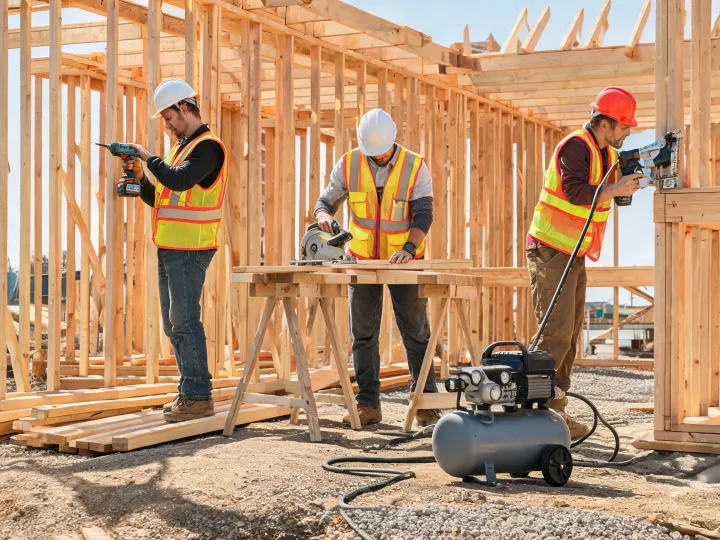
Power tools and pneumatic equipment need to move from rough work to finish detail without losing batteries, hoses, or accessories.
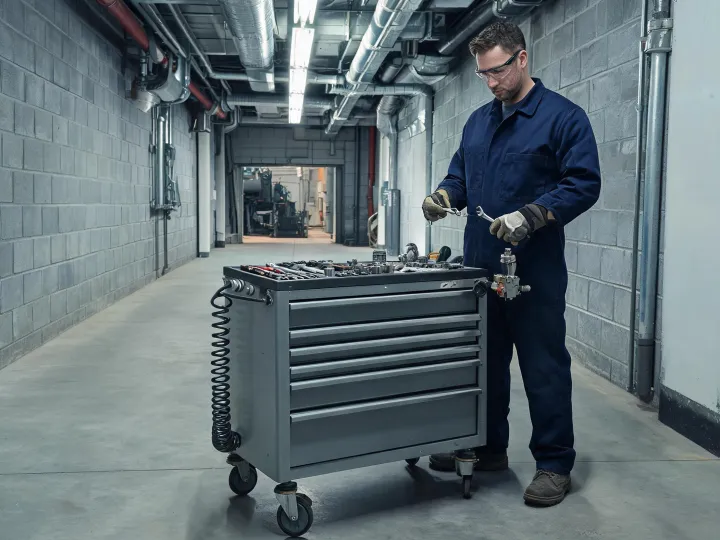
Maintenance teams value tool storage, quick identification, and service records because the next repair ticket may arrive during a shift change.
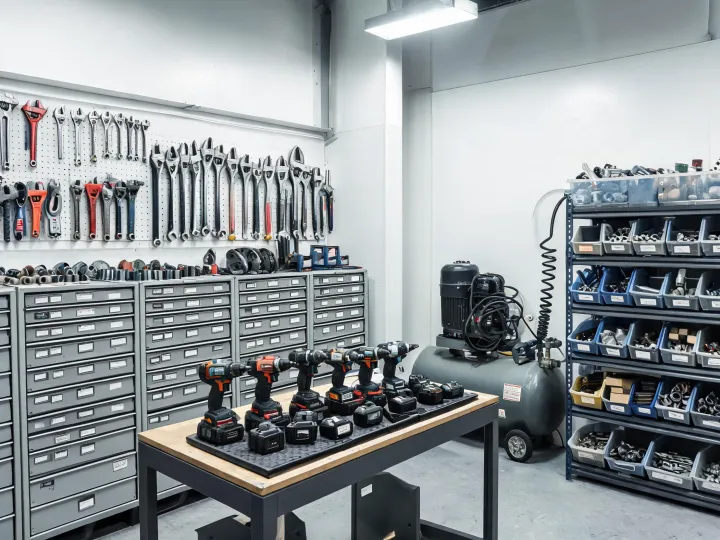
Tool rooms need a clean way to group shared assets, manage warranty documents, and prepare outgoing kits for each crew.
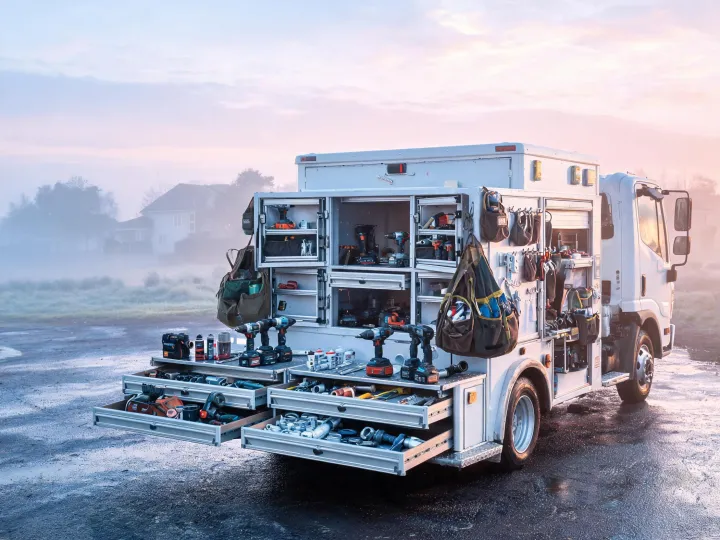
Truck-based teams rely on rugged storage and fast support notes because every missing tool costs time at the customer site.
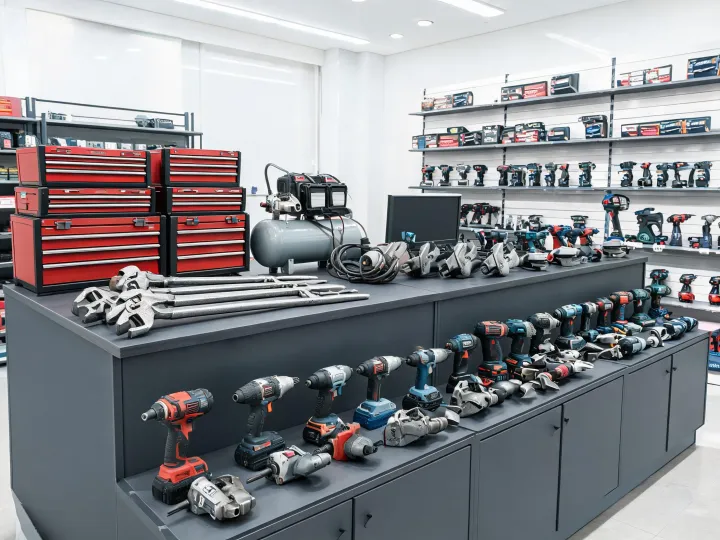
Dealers translate product families into usable choices, from starter tool kits to service replacement conversations.
The numbers here describe site organization priorities for this Ridgid build: category coverage, application clarity, tool availability, and record discipline.
Tell us whether you are planning a plumbing kit, a maintenance tool room, a service truck, or a dealer shelf program.
Request Application Help